 |
President
Nathalie Pham
Dr. Nathalie Pham is a board-certified toxicologist and Section Chief at the California Office of Environmental Health Hazard Assessment (OEHHA), where she leads multidisciplinary teams focused on climate change indicators and contaminated site risk assessment. Her work focuses on applying environmental health science to inform public health understanding and decision-making across California.
Prior to OEHHA, Dr. Pham served as a Unit Supervisor and Toxicology Lead in the Department of Toxic Substances Control’s Safer Consumer Products Program, where she evaluated chemical hazards in product–chemical combinations of concern and promoted the integration of New Approach Methodologies (NAMs) into regulatory decision-making framworks.
Dr. Pham received her Ph.D. from the University of California, Davis, and is an adjunct faculty member at California State University, Sacramento, where she teaches chemistry. She is actively involved in the Society of Toxicology and currently serves as President of the Genetic and Environmental Toxicology Association (GETA) of Northern California. Her professional interests include advancing innovative tools for hazard identification, bridging science and policy, and mentoring the next generation of toxicologists
|
|
|
 |
Past-President
Kim Truong
Kim Truong, Ph.D., is a Staff Toxicologist with the Pesticide and Food Toxicology Section of the Pesticide and Environmetal Toxicology Branch in the Office of Environmental Health Hazard Assessment (OEHHA) at California Environmental Protection Agency (Cal EPA). Dr. Truong’s work is in the conduct of human health risk assessments to predict health effects and their extent in humans under given conditions of exposure, with focus on preparing systematic review of open literature, review of toxicology studies, hazard identification, and dose-response assessment. She received her B.A. in English (2009), B.S. in Biotechnology (2009), and Ph.D. in Pharmacology and Toxicology (2019) at UC Davis, where her research focused on determining the mechanism by which environmental contaminants, such as legacy pollutant DDT, mediate calcium signaling dysregulation in skeletal muscle, cardiac muscle, and the central nervous system in humans. In her free time, she enjoys going on outings with her sons, fiancé, and pitbull. |
|
<
 |
President-Elect
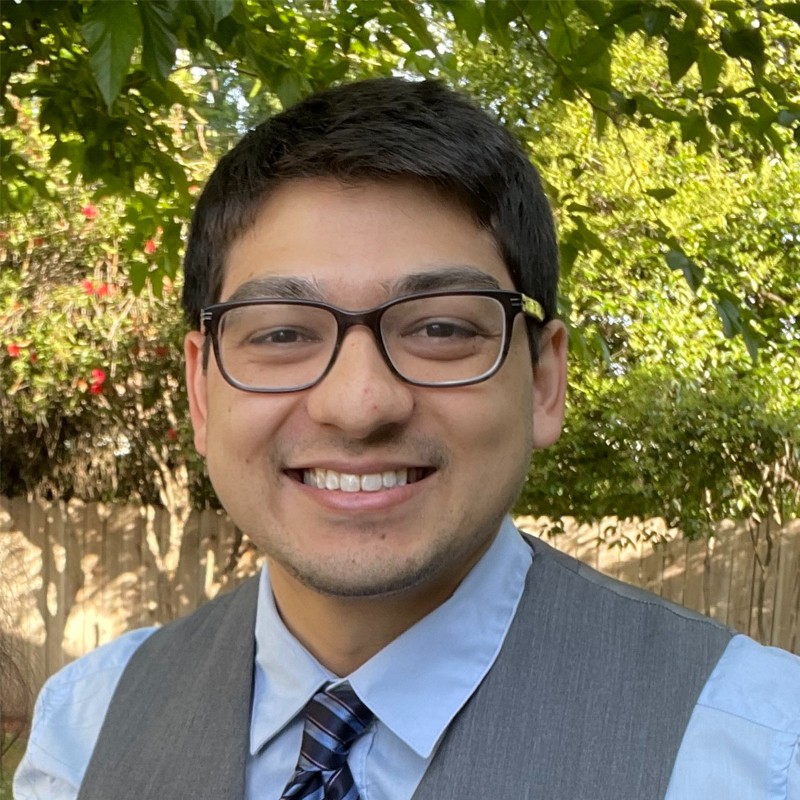
Scott Tiscione
Scott Tiscione, Ph.D. is an associate toxicologist in the Risk Assessment Section of the Human Health Assessment Branch at the Department of Pesticide Regulation (DPR). He received his B.S. in Environmental Toxicology (2014) and Ph.D. in Pharmacology and Toxicology (2020) at UC Davis. His research investigated the link between calcium and cholesterol homeostasis and the underlying molecular mechanisms of neurodegeneration in Niemann Pick Type C1 disease. Before joining DPR, he worked in industry as a toxicology consultant. He enjoys reading, watching movies, and spending time with his two cats in his free time. |
|
 |
Treasurer
Jennifer Hsieh
Jennifer Hsieh, Ph.D., D.A.B.T. is a Staff Toxicologist (Specialist), in the Branch of Reproductive and Cancer Hazard Assessment, Office of Environmental Health Hazard Assessment (OEHHA), California Environmental Protection Agency (CalEPA) since 2007. Her work specializes in cancer hazard identification and carcinogen risk assessment. She received her B.S. and M.S. degrees in pharmacological science and her Ph.D. from the Environmental Toxicology Program at Michigan State University. She did her post-doctoral training at the Cancer Center, UC Davis. Before OEHHA her research focused on investigating the potential mechanisms of carcinogenesis in breast and prostate cancers. Before her Presidency, Jennifer served as the GETA Treasurer. |
|
 |
Membership Officer
James Nakashima
As a toxicologist for the Pesticide Environmental Toxicology Branch in the Office of Environmental Health Hazard Assessment, Dr. Nakashima serves as an exposure assessor and expert on pesticide-related illness reporting. Previously, he managed a pre-clinical drug discovery program for Solanan, Inc., and held a faculty position at Brown University in the Department of Pathology and Laboratory Medicine. James received his PhD in Comparative Pathology from UC Davis, and postdoctoral training at Letterman Army Institute of Research and Brown University. His scientific interests include vascular peptide biology, pathogenesis of pulmonary fibrosis and sepsis, and regulation of the immune system.James served as GETA President from 2020-2021. |
|
 |
Secretary/Newsletter Editor
Sana Majid
Sana Majid as Research Scientist in OEHHA’s New Toxicological Evaluations Section, where
she leverages new approach methodologies (NAMs) to assess human health risks posed by
data-poor chemicals. Sana holds an MD from Saint George’s University and a Master of
Science in Bioinformatics from Boston University. Before joining OEHHA, Sana conducted
extensive lab-based, clinical, epidemiologic, and computational research on the health impacts
of novel tobacco products, HIV/AIDS-related complications and the genetics of cardiometabolic
diseases. Her findings on the vascular and metabolic effects of electronic cigarette use
garnered attention from the American Heart Association and various news outlets. She has also
worked on studies using data from the Framingham Heart Study and the UK Biobank. Most
recently, as a Research Fellow at Harvard Medical School, Sana’s work included leveraging
transcriptomics from a large pregnancy cohort to understand glycemic regulation and potential
alterations implicating gestational diabetes. In her spare time, Sana enjoys most outdoor
activities, board games, diving into sci-fi novels, and being an attentive dog guardian. |
|
 |
Website Officer
Elizabeth Marder
M. Elizabeth Marder, Ph.D. is a Staff Toxicologist with the California Department of Public Health (CDPH) Environmental Health Investigations Branch. At CDPH, Dr. Marder is focused on public health responses to chemical exposures, including leading equity-based environmental health investigations involving exposures to under-recognized toxicants and supporting the new Toxicological Outbreak Program. Previously, Dr. Marder worked as a senior environmental scientist with the Office of Environmental Health Hazard Assessment (OEHHA). Dr. Marder is also a volunteer Assistant Adjunct Professor with the Department of Environmental Toxicology at the University of California, Davis where she graduated with her BS in 2011 before earning her MS and PhD in Environmental Health Sciences at Emory University. Dr. Marder teaches and lectures on environmental toxicology and related topics such as human health risk assessment, chemical policy and law, and environmental justice. When she’s not working, she enjoys spending time outside (especially walking her 12 years young rescued border collie Luna), cooking (vegan/vegetarian), and travelling (as sustainably as possible). |
|
 |
Member at Large
Vanessa Cheng
Vanessa Cheng, Ph.D. is an Associate Toxicologist in the Cancer Toxicology and Epidemiology section of the Office of Environmental Health Hazard Assessment (OEHHA) and works on cancer hazard identification and risk assessment. Vanessa earned her Bachelor’s in Biology (2017) and PhD in Environmental Toxicology (2021) from the University of California, Riverside, where she investigated the effects of nuclear receptors activation during early stages of development in zebrafish and receptor-mediated genomic, transcriptomic, and metabolomic alterations in human liver carcinoma cells. |
|
 |
University Representative
Claire Montgomery-Bowie
Claire Montgomery, B.S., is a Staff Research Associate in the School of Veterinary Medicine at the University of California, Davis that splits her time between mitochondrial therapeutics and pulmonary toxicology. Claire received her B.S. in Clinical Nutrition from UC Davis in 2019, but was drawn to animal research during her undergraduate work at UC Davis. Since joining the School of Vet Med as a Junior Specialist in late 2019, Claire has extended her reach over the last six years to assisting with the day-to-day functions of three different lab groups, working on drug discovery of mitochondrial therapeutics and anti-fibrotic therapeutics, therapeutic testing in Friedreich’s ataxia mouse models, and assessing the impact of genetic susceptibility and ozone exposure on pulmonary health and toxicity. In her (limited) free time, Claire likes spending time with her husband and their cat, watching sports, and knitting or sewing. |
|
 |
Government Representative
David Bonnar
Dr. David Bonnar is an Associate Toxicologist in the Human Health Assessment Branch of the California Department of Pesticide Regulation (DPR). In this role, he evaluates human health risks associated with pesticide exposure through systematic reviews of toxicological data, development of toxicological profiles, and integration of scientific evidence into regulatory decision-making. His work supports DPR’s mission to protect human health and the environment through science-based pesticide regulation.
Before joining DPR, Dr. Bonnar conducted research at the University of California, Davis, focusing on pesticide environmental fate, risk, and mitigation strategies to inform sustainable agricultural practices and regulatory policies. He also brings over a decade of experience as an environmental consultant, where he provided technical expertise in human and ecological risk assessment, exposure modeling, and environmental compliance for both public- and private-sector clients.
As Government Representative, Dr. Bonnar looks forward to contributing his perspective as a state scientist engaged in public health protection and evidence-based regulatory work. He is committed to fostering communication between government and professional communities, promoting informed dialogue on scientific and regulatory issues, and supporting collaborative efforts that advance the association’s missions and values
|
|
|
 |
Business Representative
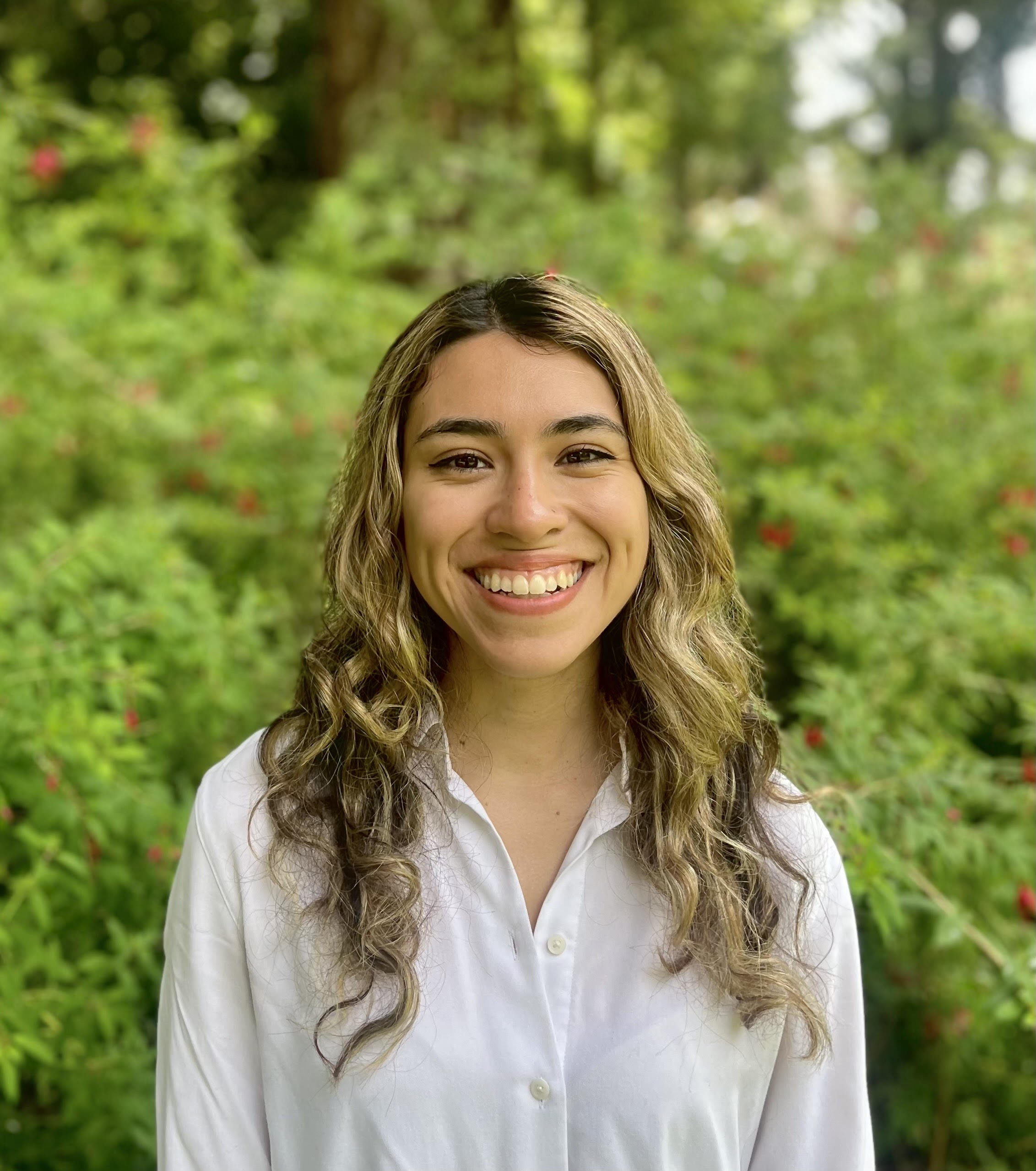
Cynthia Torres
Cynthia Torres is an environmental health scientist and industrial hygienist in ToxStrategies’ Exposure Sciences practice. She recently earned a Master of Public Health in Environmental Health Sciences, with a concentration in Industrial Hygiene, from the University of California, Berkeley. Her thesis work focused on occupational exposure to airborne polycyclic aromatic hydrocarbons (PAHs) during agricultural prescribed burns. Her professional experience includes research roles and internships in both the academic, state, and private sectors. She has field experience in various IH and EHS investigations, including indoor air sampling (particulate matter [PM], peracetic acid [PAA], polycyclic aromatic hydrocarbons, polychlorinated biphenyls [PCBs], personal exposure sampling, noise dosimetry, and ergonomic evaluations. Her skill set includes the use of R Package software (modeling, ggplot), geographic information system (GIS) software, data visualization, and various laboratory and assay development techniques. |
|
 |
Post-Doc Representative
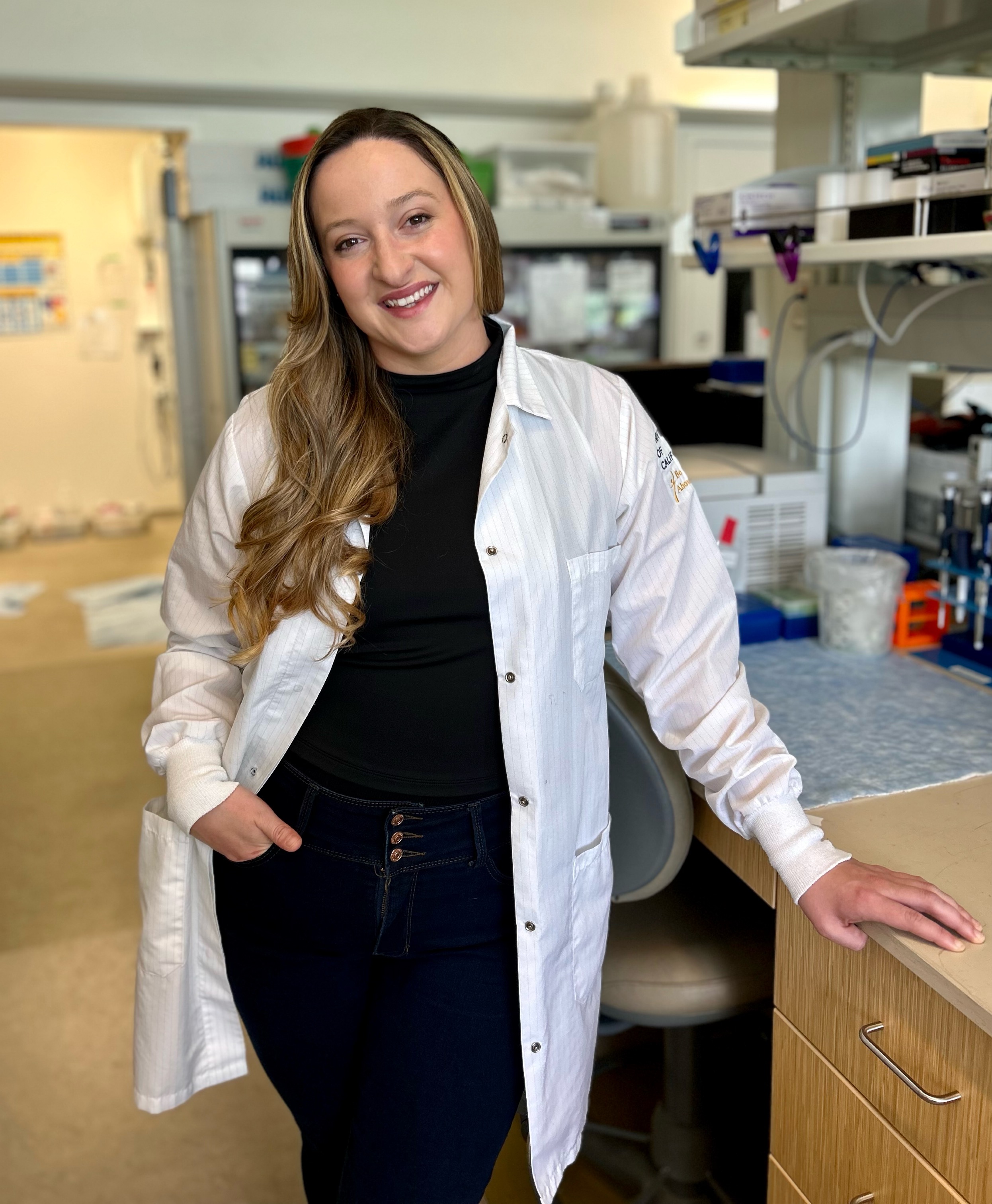
Rebecca Wilson
Rebecca Wilson, PhD. is a postdoctoral researcher at the University of California, Davis where she assesses how developmental exposure to environmental toxins—particularly polychlorinated biphenyls—disrupts normal neurodevelopment. Rebecca received her PhD from UC Davis in 2024. Prior to that, Rebecca earned a Bachelor’s in Biological Science and Mathematics from Roosevelt University in Chicago (2015) and a Master’s in Neuroscience from DePaul University (2019), where she researched sex differences in behavioral responses to subconcussive brain injuries. After her Master’s, Rebecca worked with Aptinyx Inc., a pharmaceutical company, on their Research and Development team, where she helped develop animal models for neurodegeneration research for use in compound assessments. Beyond the bench, Rebecca primarily enjoys spending time with her friends or her two dogs, Dolly and Peaches, and can often be seen outside hiking, paddle boarding, or playing on recreational sports teams in Sacramento.
|
 |
Post-Doc Representative
Teresa Tsai
I’m a postdoctoral researcher working in Dr. Pamela Lein’s lab at the University of California, Davis. I’m a
neurotoxicologist with extensive experience working with in vivo rodent models, with a specialty in chemical-
induced seizure rat models. I received my Ph.D. in Molecular, Cellular, and Integrative Physiology from
University of California, Davis in 2022 and my B.S. in Medical Laboratory Science and Biotechnology from
Taipei Medical University in 2014. My dissertation research focused on identifying pathogenic mechanisms of
long-term neurotoxicity following different organophosphate exposure paradigms with the goal of identifying
novel therapeutic strategies against organophosphate-induced persistent neurotoxic consequences. I am a
coffee addict and a big foodie! Outside of the lab, I enjoy hanging out with my friends, cooking and trying new
foods, and exploring new coffee shops. |
 |
Graduate Student Representative
Anthony Tercero
Anthony Tercero is a Ph.D. candidate in the Genetics and Genomics Graduate Group at the University of California, Davis. His dissertation research focuses on the long-term health consequences of early-life exposure to environmental contaminants, with particular interest in how genetic variation modifies susceptibility to pollution-induced effects and influences how these effects persist across generations. His broader professional interests include environmental toxicology, genetic susceptibility, and translating toxicological research into knowledge that can better protect human and environmental health. Anthony previously served in the U.S. military, where he gained experience integrating geospatial and environmental data to evaluate human health and operational risks from chemical and biological hazards. Outside of research, Anthony is a proud girl dad who enjoys hiking, cooking, and spending time with his family. |